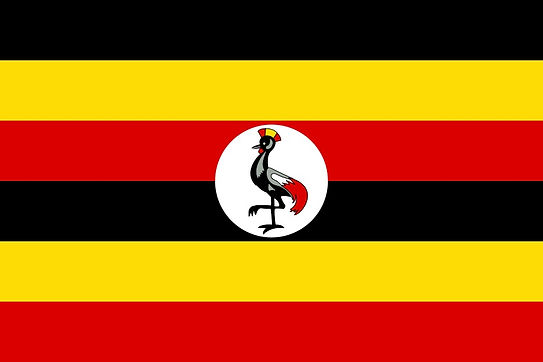
Uganda Expedition
7 days / 6 nights
Boasting an astonishing assortment of wildlife amid an array of magnificent parks, Uganda more than fulfils all expectations for an African safari. Its awesome landscape, startling in their diversity, has delighted millions of visitors. The land continues to enthral everyone who has an eye for natural beauty. The magnetism of the golden savannah, semi desert thirst land and equatorial rainforest are home to the African bid mammals, half of the world remaining mountain gorillas and thousand of colourful and eye catching bird species.
Often described as the Pearl of Africa, this lush tropical land is the true birth place of the Nile, where the world’s longest river spills out of Lake Victoria and starts its journey to the Mediterranean sea. These formidable attractions are backed by good infrastructures that deliver a high level of service and comfort.
Visitors almost universally report that they like the country and find its people hospitable and extremely friendly. The country is home to over 40 tribes and languages within its borders each with a unique cultural practices, music, dance and food. In instances where the food is similar, it is sometimes prepared differently and have certain different flavors and rituals. There are different kingdoms currently existing but with no political powers, namely Buganda, Bunyoro, Tooro, Busoga, and the defunct Ankole Kingdom. In some areas there are chief dorms as opposed to Kingdoms.
Indeed Uganda has everything to offer on your adventure holiday and since you made that choice to experience the pearl of Africa, you won’t regret. Here we go…
Travel Requirements for Uganda
Uganda is one of Africa’s most extraordinary wildlife destinations, home to breathtaking landscapes, rich cultures and the unforgettable experience of encountering mountain gorillas in the wild. Proper preparation before your journey will help ensure a safe, smooth and enjoyable expedition with MaiaWildlife.
Below you will find important information regarding visas, vaccinations, health considerations, travelling with children and travel insurance.
Visa Requirements:
Most travellers visiting Uganda require a tourist visa. The recommended way to obtain it is through the official Uganda e-Visa system before departure.
The standard tourist visa usually allows single entry and a stay of up to 90 days.
Travellers who plan to visit Uganda, Kenya and Rwanda during the same trip may also consider the East Africa Tourist Visa, which allows travel between the three countries with a single visa.
Your passport must be valid for at least six months beyond your travel dates and should contain at least one blank page for entry stamps.
As visa requirements may vary depending on nationality, travellers should always verify the latest regulations before departure.
Vaccinations:
A Yellow Fever vaccination certificate is mandatory for all travellers entering Uganda. You will be required to present the certificate upon arrival.
In addition to Yellow Fever, travel health specialists often recommend the following vaccinations:
• Hepatitis A
• Hepatitis B
• Typhoid
• Tetanus
Depending on personal travel history and medical advice, other vaccinations may also be suggested.
We strongly recommend consulting your doctor or travel clinic several weeks before your trip to receive the most appropriate advice.
Malaria:
Malaria is present in Uganda, including many national parks and wildlife areas. For this reason, travellers are generally advised to take anti-malarial medication during their stay.
Additional precautions are also recommended:
• Use insect repellent containing DEET or similar ingredients
• Wear long sleeves and trousers in the evening
• Sleep under mosquito nets where provided
• Avoid mosquito exposure at dusk and dawn
Lodges and camps typically provide mosquito nets and take preventive measures, but personal protection remains important.
Travelling with Children:
Families travelling with minors should ensure they carry the necessary documentation for children under 18.
Immigration authorities may require:
• A birth certificate showing the names of both parents
• A parental consent letter if the child is travelling with only one parent or with a guardian
• Copies of parents’ passports and identification
These measures are intended to prevent child trafficking and may be requested at immigration.
We recommend carrying both printed and digital copies of these documents.
Final Recommendation:
Travel regulations, health requirements and visa policies may change at any time. Guests are responsible for ensuring they have the correct documentation and medical preparations before travelling.
If you have any questions while preparing for your expedition, the MaiaWildlife team will always be happy to assist and guide you through the process so you can focus on enjoying an unforgettable wildlife experience in Uganda. 🌍🦍
What can you expect ?
Full days of fun, emotions, adventures, wildlife and cultural interaction.
Brief schedule:
Day 1: Transfer to Kibale National Park.
Day 2: Chimpanzee tracking and transfer to Queen Elizabeth National Park.
Day 3: Game-drive and boat ride on Kazinga channel.
Day 4: Transfer to Bwindi impenetrable forest.
Day 5: Gorilla tracking at Bwindi National park and Batwa community visit.
Day 6: Transfer to Lake Mburo National Park.
Day 7: Bush-walk and transfer to Kampala.
AND unfortunately, departure.
Attention: All times and structure of the day planning can be adjusted accordingly with the activities we are doing, weather, etc.
Be prepared for great fun in a real Uganda Expedition.
Money and Tipping in Uganda
Understanding how money works in Uganda will help make your journey smoother and more comfortable during your expedition with MaiaWildlife. While most safari expenses are included in your itinerary, it is still useful to carry some cash for personal purchases and gratuities.
Currency:
The official currency of Uganda is the Ugandan Shilling (UGX).
In many hotels, lodges and tourism-related services, US Dollars are widely accepted, particularly for larger payments such as park fees or activities.
When bringing US Dollars, please ensure that the notes are:
• Printed in 2009 or newer
• In good condition without tears or damage
Older banknotes are often not accepted in Uganda.
For smaller purchases in local markets, shops or villages, payments are usually made in Ugandan Shillings, so exchanging a small amount of local currency can be useful.
Credit Cards and Payments:
Many hotels and safari lodges accept major credit cards, especially Visa and Mastercard.
However, card payments may sometimes include transaction fees, and in remote areas internet connectivity can occasionally affect card processing.
For this reason, it is always advisable to carry some cash for personal expenses.
ATMs are available in major towns and cities such as Entebbe and Kampala, but they are generally not available in remote safari areas.
Tipping Guidelines:
Tipping is common in Uganda’s tourism industry and is a meaningful way to recognise the dedication and hard work of guides, trackers and lodge staff who contribute to an exceptional safari experience.
Tipping is always voluntary, but the following guidelines are commonly used:
Safari Guide / Driver Guide
Approximately 10–20 USD per guest per day
Safari Lodge or Camp Staff (shared tip box)
Around 5–10 USD per guest per day
Most lodges provide a general staff tip box, where contributions are shared among the entire team, including housekeeping, kitchen staff and other personnel working behind the scenes.
Gorilla and Chimpanzee Trekking:
During gorilla or chimpanzee trekking experiences, guests may wish to offer small tips to the teams that assist during the trek.
Typical guidelines are:
Ranger Guides
Around 10–20 USD per guest
Trackers and Porters
Around 5–10 USD per guest
Hiring a porter is highly recommended during gorilla trekking. Not only do they help carry bags and assist on steep terrain, but the service also directly supports the local community.
Our Recommendation:
We recommend bringing a combination of small US Dollar notes and, if possible, exchanging a small amount into Ugandan Shillings for minor purchases.
Your guide and the MaiaWildlife team will always be happy to assist if you have any questions regarding payments or tipping during your expedition.
Tipping is a simple gesture that helps support the people who work every day to protect Uganda’s wildlife and provide unforgettable safari experiences. 🦍🌿
Electricity, Voltage and Wall Plugs in Uganda
Electricity in Uganda is available in most cities, hotels and safari lodges, although power supply in remote wilderness areas may occasionally be limited or provided by generators or solar energy. Understanding the local voltage and plug types will help you prepare the appropriate adapters for your trip.
Voltage and Frequency:
Uganda operates on a 240 Volt supply with a frequency of 50 Hz, which is similar to the electrical system used in the United Kingdom.
Most modern electronic devices such as:
• Smartphones
• Cameras
• Laptops
• Battery chargers
are designed to work with 100–240V, meaning they can usually be used safely without a voltage converter. Nevertheless, it is always recommended to check your device specifications before travelling.
Plug Types:
The most common wall plug used in Uganda is Type G, the same plug used in the United Kingdom.
Electricity in Safari Camps:
Many safari lodges operate using solar power or generators, which means electricity may only be available at certain hours of the day. In most cases, power is available in the morning and evening, allowing guests to charge cameras, phones and other electronic equipment.
Your safari vehicle may also provide charging points for cameras or phones during game drives, depending on the vehicle configuration.
Our Recommendation:
We recommend bringing:
• A universal travel adapter
• Extra camera batteries
• A small power bank for phones or small devices
These items will ensure that your equipment remains charged and ready for the incredible wildlife experiences that await during your expedition with MaiaWildlife. 🔌📷🌍

Travel Insurance
Comprehensive travel insurance is strongly recommended for all guests travelling to Uganda.
Your policy should ideally include:
• Medical treatment and hospitalisation
• Emergency medical evacuation
• Trip cancellation or interruption
• Lost or delayed baggage
• Coverage for personal equipment such as cameras
Many of Uganda’s most spectacular wildlife areas are located in remote regions. In the unlikely event of a medical emergency, evacuation by aircraft may be required, which can be extremely expensive without proper insurance coverage.
What to Wear on a Safari and Gorilla Trekking Trip in Uganda
Choosing the right clothing for your expedition in Uganda will make your experience far more comfortable and enjoyable. From classic wildlife safaris to trekking through tropical forests in search of mountain gorillas, the conditions can vary greatly, so practical and adaptable clothing is essential.
At MaiaWildlife we always recommend dressing for comfort, protection and functionality while respecting the traditions of African safari travel.
Safari Clothing:
For game drives in Uganda’s national parks, the classic safari dress code works best. Neutral colours help you blend into the natural environment and avoid attracting insects.
Recommended colours include:
• Khaki
• Olive green
• Beige
• Brown
• Light grey
These tones are comfortable for wildlife viewing and photography. Bright colours and pure white clothing are generally not recommended, as they can be very visible in the bush and become dusty quickly.
Typical safari clothing includes:
• Lightweight long or short sleeve safari shirts
• Comfortable safari trousers or outdoor pants
• Breathable shorts for warm afternoons
• A light jacket or fleece for early morning drives
• A wide-brim safari hat or cap
Early morning game drives can be cool, especially in open safari vehicles, so dressing in layers is always a good idea.
Gorilla Trekking Clothing:
Gorilla trekking takes place in dense tropical forests and mountainous terrain, where vegetation can be thick and the ground often muddy or slippery. Proper clothing is essential for comfort and protection.
Recommended trekking clothing includes:
• Long-sleeve shirts to protect your arms
• Long trekking trousers
• Waterproof hiking boots with good grip
• Thick hiking socks
• Lightweight rain jacket
• Gardening or trekking gloves for gripping vegetation
• A small backpack for water and personal items
Neutral colours are also recommended during gorilla trekking, helping visitors blend naturally into the forest environment.
Protection from Sun and Insects:
Both safari areas and tropical forests require some protection from sun exposure and insects.
We recommend bringing:
• Insect repellent
• Sunscreen with high SPF
• Sunglasses
• A light scarf or buff for dust or sun protection
Evenings at the Lodge:
Evenings at safari lodges are relaxed and informal. Comfortable casual clothing is perfectly appropriate.
Because temperatures can drop after sunset, especially in forested or mountainous areas, it is advisable to bring:
• A light jacket or fleece
• Long trousers
• A long-sleeve shirt
Our Recommendation:
Uganda’s landscapes range from open savannahs to dense mountain forests, and the weather can change quickly. Packing comfortable, breathable clothing in neutral colours and dressing in layers is the best approach.
With the right preparation, you will be ready to enjoy every moment of your expedition, from unforgettable wildlife safaris to the extraordinary experience of standing face to face with mountain gorillas in the forests of Uganda. 🦍🌿
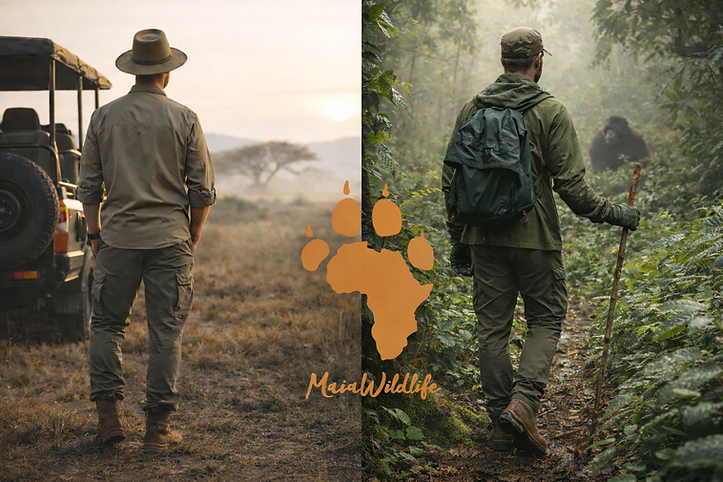
Itinerary :
Day 1: After a healthy morning breakfast, prepare to transfer to Kibale forest national park.
Kibale forest is one of Uganda's magnificent tropical rain forests and one of the most rewarding areas to explore.This park is the world’s primate capital and a home to 13 species of monkeys and man’s closest relative; the chimpanzees, these delightful apes are the most closest to human than to any living creature. These can be seen swinging in tree branches as one treks through the forest trails. Other animals like the red colobus, L’Hoest’s monkey and the endemic Uganda Mangabey a species of old world monkey found only in Uganda
Day 2: Breakfast at the lodge, head to the park head offices for briefing about your chimp tracking experience.
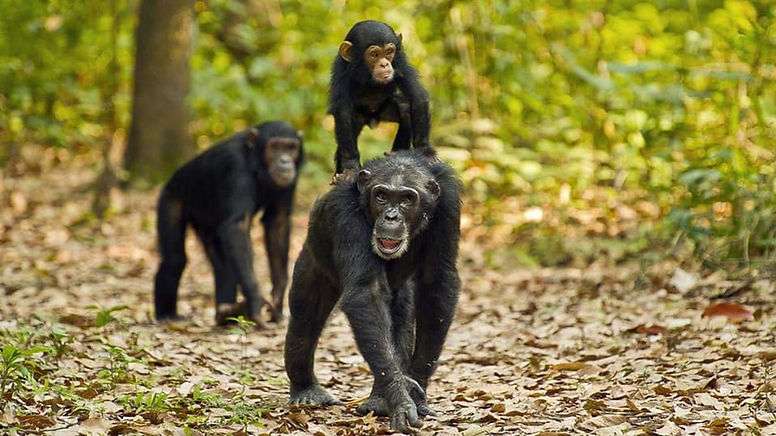
Kibale Forest boasts the highest number of primate species in the world, including our delightful cousins, the chimpanzees. Today, in Uganda, there are approximately 5,000 chimpanzees left in the wild, which makes it a perfect place to spot them! The experienced ranger takes you to track chimpanzees in the morning or afternoon depending on your choice; in the meantime, showing you the many monkey species that live in this tropical forest. A wonderful jungle trip is the result, finishing in an hour of eye to eye contact with the chimpanzees.
After lunch, you will set off for Queen Elizabeth National park. On arrival late in the evening, you will check in immediately, dinner and an overnight stay
Day 3: Be early to raise, have a cup of coffee and set out for a game drive where you will see some early risers along the Kasenyi track such as Elephants, antelopes, solitary buffaloes, lions, warthogs, as well as birds. After the drive which takes 2 to 3 hours head to the lodge and have breakfast and lunch after some time go for the launch cruise on Kazinga channel. The boat cruise is one of the amazing activities to enjoy in the park; you will enjoy watching elephants, buffaloes along the banks, crocodiles, hippos, waterbucks, birds among others.
Return to the lodge, freshen up, have dinner and overnight.
Day 4: After breakfast, begin your journey to Bwindi going through the Ishasha sector with a glance at the climbing lions and many other wildlife species. Along the way you will enjoy nice landscape views. Have lunch en-route; arrive at the lodge late in the evening.
Day 5: Prepare to a life-time memorable experience.
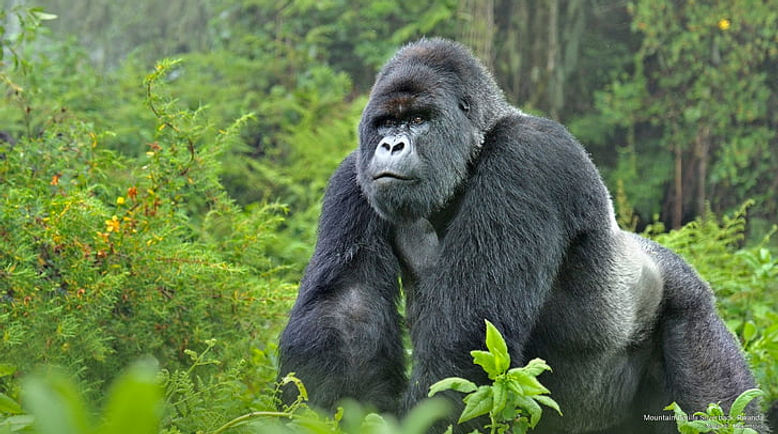
After morning breakfast, you will get ready, along with your packed lunches to embark on the lifetime memorable experience in this magnificent forest for gorilla tracking. The trail you use may reward you with exciting moments of the giant mountain gorillas in Uganda this will be a reward of the ultimate gorilla experience’ as well as other primates that inhabit the forest. This may take you about 4-5 hrs in the jungle. Expect to walk a long distance in steep and muddy conditions, sometimes with rain overhead before you encounter any gorilla. But it will definitely be worthwhile as you observe them closely while they eat, play and rest. For conservation purposes, time will be limited to one hour. The ranger guide will always briefs you on how to behave with these gentle giants
You will return to the lodge for dinner and peaceful overnight at the lodge.
Day 6: In the morning, you will drive east to Mbarara; a major town in western Uganda and the former capital city of Ankole kingdom for 400 years until it was split during independence in 1962. From there proceed to Lake Mburo national park which is famous for its many antelopes and home to the rare Bushel’s Zebra among others that include a wide array of bird species.
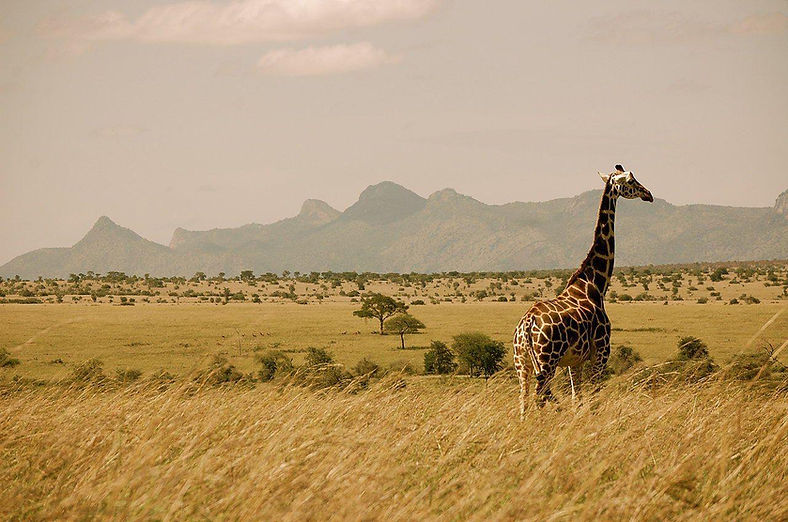
Day 7: Early in morning after breakfast, the day will start with a walking safari, you will walk past unique animals such as the zebras, antelopes, buffaloes, elands, giraffes and many bird species.
Later you will proceed to the Entebbe to prepare and catch your flight back home late in the night.
Take a relaxed drive back to Kampala; you will enjoy warm lunch along the way with a stop at the equator to experience both the northern hemisphere and the southern hemisphere of the universe in one place. Photographs and shopping from the equator are a great evidence of a memorable safari in Uganda. Arrival late in the evening in Kampala, I will transfer you to the airport to catch your flight back home in the night.
Enriched with an experience of a lifetime and unforgettable memories, you say goodbye to the Pearl of Africa.
(The itinerary may be changed accordingly with your wishes, weather conditions, etc.)

Pricing and Terms
Pricing for the Uganda Expedition is €3'600, based on sharing accommodation. (Children under 15yo are, unfortunately, not allowed.)
The event fee includes:
-
Gorilla and Chimpanzee permits.
-
Transport in 4x4 customised vehicle
-
Airport pick up and drop off
-
Local driver/guide and MaiaWildlife tour leader (four groups)
-
All parks entrance fees
-
All parks activities
-
Accommodation on full board plan
-
Bottled mineral water
The event fee does not include:
-
International flights
-
Visa fees
-
Tips
-
Personal requirements not specified on the itinerary
-
Extra days after itinerary (However, request of an extension is possible at a discount price)
-
Items of personal nature
Reservation & Payment Policy:
Registrations are confirmed only upon payment of a 30% non-refundable deposit of the total event fee.
The full balance must be paid no later than 60 days prior to the start of the event.
For registrations made 60 days or less before the event, full payment is required at the time of booking.
MaiaWildlife reserves the right to cancel any registration that does not comply with these payment terms.
Please note that spaces are limited to 6 guests. Early reservation is strongly recommended.
Don't Forget to Pack for Your Uganda Expedition
Preparing properly for your journey to Uganda will help ensure a comfortable and enjoyable experience. From classic wildlife safaris to trekking through dense forests in search of mountain gorillas, having the right equipment and clothing will make a big difference during your expedition with MaiaWildlife.
Below is a practical packing list to help you get ready for your adventure.
Essential Travel Documents:
Always keep these items in your carry-on luggage.
• Passport (valid for at least 6 months)
• Uganda e-Visa approval
• Travel insurance documents
• Flight tickets and travel itinerary
• Yellow Fever vaccination certificate (mandatory)
• Copies of important documents (digital and printed)
Safari Clothing:
Neutral colours are recommended for safari activities and wildlife viewing.
• Lightweight safari shirts (long and short sleeves)
• Safari trousers or outdoor pants
• Comfortable shorts for warm afternoons
• Light jacket or fleece for early morning game drives
• Wide-brim safari hat or cap
• Comfortable walking shoes or light hiking boots
• Sandals or casual shoes for the lodge
• Socks and underwear
• Swimsuit for lodge pools
Colours such as khaki, olive green, beige and brown work best in the African bush.
Gorilla Trekking Gear:
Gorilla trekking takes place in dense forest and sometimes steep terrain, so appropriate clothing and equipment are very important.
• Waterproof hiking boots with good grip
• Long trekking trousers
• Long-sleeve shirt
• Lightweight rain jacket
• Thick hiking socks
• Gardening or trekking gloves
• Small backpack for water and personal items
Health and Personal Care:
A few basic items will make your journey much more comfortable.
• Insect repellent
• Sunscreen with high SPF
• Personal medications
• Basic travel first aid kit
• Hand sanitizer
• Wet wipes or tissues
• Lip balm with sun protection
Photography and Equipment:
Uganda offers exceptional wildlife photography opportunities.
• Camera body
• Telephoto lens for wildlife photography
• Extra batteries
• Battery chargers
• Memory cards
• Camera cleaning cloth
• Binoculars
• Protective camera bag
Electronics:
Useful for keeping your equipment charged and ready.
• Universal travel adapter (Type G)
• Charging cables
• Power bank
• Smartphone or tablet
Small but Useful Items:
These items are often forgotten but very useful during safaris and trekking.
• Small daypack
• Reusable water bottle
• Sunglasses
• Light scarf or buff
• Notebook or travel journal
• Small flashlight or headlamp
Luggage Recommendation:
For safari travel we strongly recommend using soft duffel bags instead of hard suitcases. Soft luggage is easier to store in safari vehicles and required for many small aircraft used on internal flights.
With the right preparation, you will be ready to fully enjoy the incredible landscapes, wildlife and unforgettable gorilla encounters that await during your MaiaWildlife expedition in Uganda. 🌿🦍🌍