

Botswana Expedition
9 days / 8 nights
The MaiaWildlife Botswana Expedition is an immersive experience through some of Africa’s most iconic wilderness areas. We travel deep into Botswana, crossing vast floodplains, ancient river systems and predator rich savanas, always guided by purpose, knowledge and respect for the wild.
This is not mass tourism.
This is a curated expedition.
• Small groups
• Experienced guiding and photographic support
• Carefully selected camps and lodges
• Deep focus on conservation, education and ethical wildlife encounters
Every day is designed to maximize both wildlife opportunities and meaningful connection to the landscape.
Who This Expedition Is For:
Wildlife lovers.
Photographers.
Adventurers.
Travelers who want to understand, not just observe.
Botswana offers space, silence and intensity all at once. Over these 9 days, you will witness nature in its purest form and return home with more than images. You return with perspective.
MaiaWildlife invites you to step into the wild, properly.
Where are we going ?
Chobe National Park:
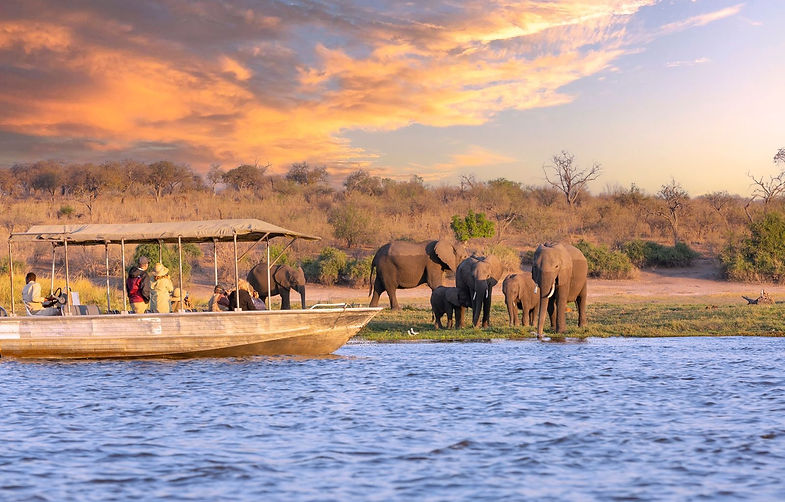
Our journey begins in Chobe National Park, home to one of the largest concentrations of elephants on Earth. Here, the Chobe River becomes the stage for unforgettable sightings. Elephant herds crossing at sunset. Lions moving along the riverbanks. Hippos and crocodiles shaping the rhythm of the water.
Game drives and river experiences allow us to explore different perspectives of this remarkable ecosystem.
Savuti:
We then move south into Savuti, one of Africa’s most legendary predator territories. Open plains, dramatic skies and the unpredictable Savuti Channel create the perfect setting for raw wildlife encounters.
Savuti is known for its lion prides, spotted hyenas and the constant tension between predator and prey. It is wild, remote and beautifully untamed.
Khwai Community Area:
In Khwai Community Area, wildlife and community coexist. This region offers outstanding game viewing, often with fewer vehicles and a strong conservation driven approach.
Leopards, wild dogs and large herds of antelope are frequently encountered here. Night drives may reveal a completely different world, where nocturnal species take the stage.
Okavango Delta:
Our expedition culminates in the extraordinary Okavango Delta, a UNESCO World Heritage site and one of the most unique ecosystems on the planet.
Here, water defines everything. We explore channels and islands shaped by the annual flood, where elephants feed in the shallows and red lechwe move gracefully through the reeds. Depending on conditions, we may experience traditional mokoro excursions, walking safaris or classic game drives across the mosaic of habitats.

Planning Your Journey to Botswana
Traveling to Botswana is straightforward, safe and deeply rewarding. With a little preparation, your safari experience can be seamless from the moment you leave home.
Here is what you should know before your travel.
Visa and Entry Requirements:
Many nationalities do not require a visa for short tourist stays in Botswana, while others can obtain one on arrival or apply in advance. Requirements can change, so we always recommend checking with your nearest Botswana embassy or official government website before departing.
Your passport must be valid for at least six months beyond your travel dates and should have several blank pages available for entry stamps.
If your journey combines Botswana with neighbouring countries such as South Africa, Namibia or Zimbabwe, make sure to verify entry rules for each country.
Health and Malaria:
Parts of northern Botswana, including areas such as Okavango Delta and Chobe National Park, are considered malaria areas, particularly during and after the rainy season.
We strongly advice consulting your travel doctor well in advance to discuss:
-
Malaria prophylaxis
-
Routine vaccinations
-
Travel insurance with medical coverage
Preventive measures are simple and effective:
-
Use insect repellent
-
Wear long sleeves in the evenings
-
Sleep under mosquito nets where provided
Vaccinations and Health Preparation:
Before traveling to Botswana, it is important to review your vaccination status with a qualified travel doctor or health clinic, ideally 4 to 8 weeks before departure.
Make sure your standard vaccinations are up to date. These typically include:
-
Tetanus
-
Diphtheria
-
Polio
-
Measles, mumps and rubella
Keeping routine immunisations current is an essential part of safe international travel.
Depending on your medical history and travel plans, doctors may recommend:
-
Hepatitis A
-
Hepatitis B
-
Typhoid
These are commonly advised for travel in parts of southern Africa.
Botswana itself is not a yellow fever country. However, proof of yellow fever vaccination may be required if you are arriving from, or transiting through, a country where yellow fever is present. Always verify current regulations before travel.
When to Travel:
Botswana is a year round safari destination.
Dry season rom May to October offers cooler temperatures, minimal rainfall and excellent wildlife concentration around water sources.
Green season from November to March brings dramatic skies, newborn animals and exceptional birdlife. Landscapes are lush and photography conditions can be extraordinary.
Each season offers a different experience. There is no wrong Tim, only different perspectives.
Travel Requirements with Children:
Traveling with children to Botswana is absolutely possible and can be an unforgettable family experience. However, southern Africa has specific entry regulations designed to protect minors and prevent child trafficking. Proper documentation is essential.
Passports - Every child must have their own valid passport. Passports should be valid for at least six months beyond the date of travel and contain sufficient blank pages for entry stamps. Children cannot travel on a parent’s passport.
Visa Requirements - Visa rules for children are generally the same as for adults and depend on nationality. Always verify the latest requirements with the nearest Botswana embassy or official government source before departure.
Traveling with Both Parents - When a child travels with both parents, typically only valid passports are required. However, airlines may occasionally request proof of relationship, so carrying a copy of the child’s birth certificate is recommended.
Travelling with One Parent - If a child is traveling with only one parent, immigration authorities may require:
-
A certified copy of the child’s full birth certificate showing both parents’ details
-
A written consent letter from the non traveling parent
-
A copy of the non traveling parent’s passport or ID
These documents should be in English or accompanied by a certified translation.
Travelling with a Guardian or Without Parents - If a minor is traveling with grandparents, relatives, or another guardian, additional documentation is usually required:
-
Certified birth certificate
-
Written consent from both parents
-
Copies of both parents’ identification documents
-
Contact details of parents and guardian
Requirements can vary slightly depending on routing and airline policies, especially if connecting through countries such as South Africa, which has particularly strict minor travel regulations.
Vaccinations and Health - Children should meet the same health requirements as adults, including routine vaccinations and, where applicable, malaria precautions for northern safari areas. Consult a pediatrician or travel clinic well in advance to ensure all medical preparations are appropriate for the child’s age.
Lodges and Safari Policies - Many safari camps in areas such as the Okavango Delta and Chobe National Park have minimum age requirements, particularly for walking safaris or mokoro excursions. Private vehicles are often recommended for families to allow flexibility, safety and comfort.
Currency and Practical Information
The local currency is the Botswana Pula (100BWP are around 6.50€/7.50$), though US dollars are widely accepted in safari camps and lodges. Credit cards are commonly used in tourism establishments.
Electricity in camps/lodges is typically 220 to 240 volts with type D and G plugs, though many camps/lodges provide universal charging stations.


Travel Insurance
Comprehensive travel insurance is strongly recommended and should include:
-
Medical coverage
-
Emergency evacuation
-
Trip interruption protection
Safari areas are remote, and proper coverage provides peace of mind throughout your journey.
What to Wear on Safari in Botswana
A safari in Botswana is not about fashion. It is about comfort, practicality and respect for the environment you are entering.
The right clothing makes a real difference. It keeps you comfortable during long game drives, protects you from the sun and insects, and helps you blend naturally into the landscape.
Keep It Neutral, choose neutral colours such as:
-
Khaki
-
Beige
-
Olive
-
Soft browns
These tones work best in the bush. Bright colors can attract attention and disturb wildlife. White gets dusty quickly. Dark blue and black can attract tsetse flies in some regions.
Simple, earthy tones are always the safest choice.
Dress in Layers, safari days often start cold and end hot.
Early mornings in areas like the Okavango Delta or Chobe National Park can be surprisingly fresh, especially between May and August. By midday, temperatures rise quickly.
We recommend:
-
A light fleece or jacket for early drives
-
Breathable shirts for daytime
-
A light scarf or buff for dust protection
Layering allows you to adapt without discomfort.
Fabrics Matter, choose lightweight, breathable materials such as cotton or technical outdoor fabrics. Long sleeves and long trousers are ideal, especially in the evenings, offering protection from mosquitoes and sun exposure.
Avoid heavy materials. You want freedom of movement and airflow.
Footwear: Closed, comfortable shoes are essential.
For game drives, lightweight walking shoes or trail shoes are perfect. If your itinerary includes walking safaris, proper walking shoes with good grip are important.
Sandals are fine around camp but not recommended for bush activities.
Sun Protection: The African sun is strong year round.
Do not forget:
-
A wide brim hat or cap
-
Sunglasses with UV protection
-
High factor sunscreen
Hydration and protection are part of the safari discipline.
Evenings at Camp/Lodge: Most safari camps/lodges in Botswana are relaxed and informal. Smart casual clothing is more than enough. There is no need for formal wear.
Comfort always comes first.
Final Advice: Safari style is about blending in, staying protected and feeling comfortable in the wild. When you dress correctly, you stop thinking about your clothes and start focusing on what truly matters.
The wildlife. The silence. The experience.

Tented Camps in Botswana


Itinerary
Day 1: Arrival - Gateway to Botswana
Fly into Kasane Airport BBK (10 minutes from Chobe National Park) or Maun International Airport (4 hours from Chobe National Park). We'll meet you and handle the preparation before heading out to the bush.
Day 2-3: Chobe National Park
Discover Chobe’s riverfront with three game drives and a boat safari, spotting large herds of elephants, hippos, and water birds.
Day 4-5: Savuti
Known for predator sightings and ancient Bushman rock art, Savuti offers a more rugged safari feel. Enjoy three game drives, including a visit to the famous rock paintings.
Day 6: Khwai Concession
This area is excellent for predator sightings, including leopard, lion, and wild dogs. Enjoy two game drives across Khwai’s open plains and woodlands.
Day 7-8: Okavango Delta
Explore the winding channels and lagoons of the Delta by mokoro and safari vehicle. Watch for wildlife such as the sitatunga and Pel’s fishing owl.
Day 9: Departure
Transfer to your airport of choice for your onward travel.
(The itinerary may be changed accordingly with your wishes, weather conditions, etc.)

Pricing & Terms
Pricing for the Botswana Expedition is €3'500 for adults and €1'750 for children aged 5 to 12, based on sharing accommodation.
The event fee includes:
-
Airport transfers
-
Accommodation
-
All meals (including tea/coffee)
-
Safari vehicle with private driver and guide
-
National park entrance fees
-
Bottled water
-
Administrative and office tax fees
The event fee does not include:
-
International flights
-
Gratuities
-
Optional activities
-
Medications and hospital treatments
-
Alcoholic beverages or soft drink
-
Items of personal nature
Reservation & Payment Policy:
Registrations are confirmed only upon payment of a 30% non-refundable deposit of the total event fee.
The full balance must be paid no later than 60 days prior to the start of the event.
For registrations made 60 days or less before the event, full payment is required at the time of booking.
MaiaWildlife reserves the right to cancel any registration that does not comply with these payment terms.
Please note that spaces are limited to 9 guests. Early reservation is strongly recommended.

