


Uganda Wildlife Expedition
"Gorillas of the Mist"
7 days / 6 nights
Uganda is, above all, the land of the mountain gorilla. Around half of the world’s remaining mountain gorillas live in its forests — and standing among them in Bwindi is one of the most extraordinary encounters in wildlife travel. But that’s only the start of what the country holds.
Often called the Pearl of Africa, Uganda packs astonishing variety into a small space: golden savanna, semi-desert, and equatorial rainforest, home to big game, chimpanzees, and over a thousand bird species. It’s also the true source of the Nile, where the world’s longest river spills out of Lake Victoria to begin its journey north.
And then there are the people. Uganda is home to more than 40 communities and languages, each with its own traditions, music, dance and food. Several historic kingdoms still exist in cultural form — Buganda, Bunyoro, Tooro, Busoga and Ankole among them — alongside local chiefdoms. Visitors come for the wildlife and leave talking about the warmth of the welcome.
Travel Requirements
A little preparation goes a long way. Below is the essential information on visas, vaccinations, health, travelling with children and insurance. Please confirm the latest requirements before you travel, as regulations can change.
Visas:
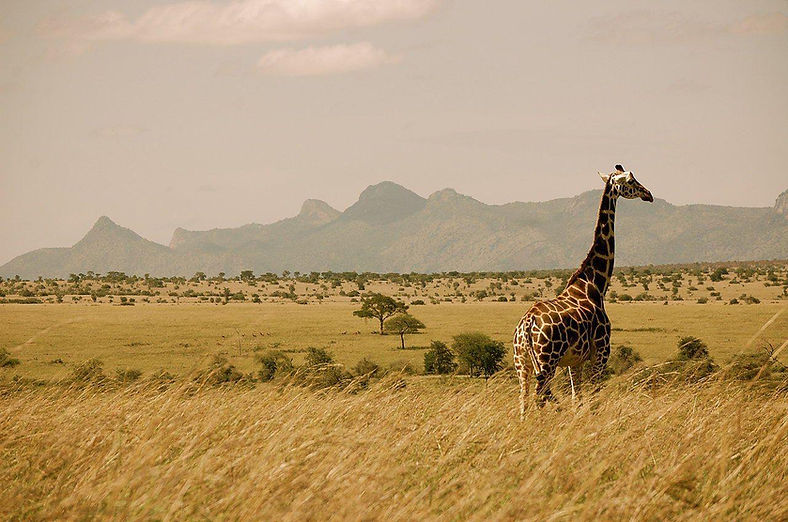
Most travellers need a tourist visa, best obtained through the official Uganda e-Visa system before departure. The standard tourist visa is usually single-entry, for stays of up to 90 days. If you’re combining Uganda with Kenya and Rwanda on the same trip, the East Africa Tourist Visa covers all three countries on a single visa. Your passport must be valid for at least six months beyond your travel dates, with at least one blank page. Requirements vary by nationality — always check before departure.
Yellow fever — mandatory:
Unlike most countries, Uganda requires a yellow fever certificate from every international visitor, regardless of where you’re arriving from. It’s checked on arrival at Entebbe, and travelling without a valid certificate can mean vaccination at the airport, quarantine, or being refused entry — so this is not one to leave to chance. The vaccine must be given at least 10 days before arrival, and a single dose is valid for life. Carry the certificate with your passport.
Other vaccinations:
Travel doctors also commonly recommend hepatitis A, hepatitis B, typhoid and tetanus (and rabies for longer stays or close wildlife contact). Consult a travel clinic four to eight weeks before your trip for advice tailored to you.
Malaria:
Malaria is present across much of Uganda, including the parks. Anti-malarial medication is generally advised — your doctor will recommend the right one. Also: use DEET repellent, cover up in the evenings, sleep under nets where provided, and take care at dusk and dawn. Stick to bottled or filtered water rather than tap. Lodges take preventive measures, but personal precautions still matter.
Travelling with children:
Children under 18 may be asked to present a birth certificate showing both parents’ names, a consent letter if travelling with one parent or a guardian, and copies of parents’ passports and ID. These rules help prevent child trafficking and may be checked at immigration — carry both printed and digital copies.
Please note: travel, health and visa rules can change at any time. Guests are responsible for confirming the latest requirements and arranging the right documentation and medical preparation before travelling. If you’ve any questions while preparing, we’re glad to help.
What To Expect
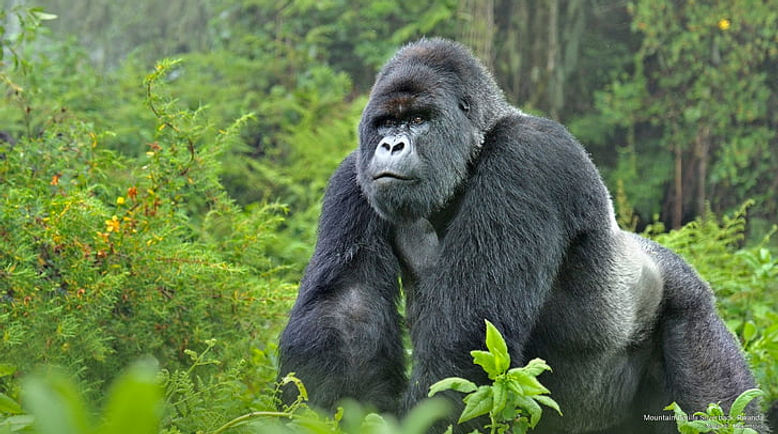
Seven full days of wildlife, landscapes and real cultural encounters — from chimpanzees to mountain gorillas, savanna to forest.
In brief:
• Day 1 — Transfer to Kibale National Park
• Day 2 — Chimpanzee tracking, then transfer to Queen Elizabeth National Park
• Day 3 — Game drive and boat trip on the Kazinga Channel
• Day 4 — Transfer to Bwindi Impenetrable Forest
• Day 5 — Gorilla tracking in Bwindi, and a visit to the Batwa community
• Day 6 — Transfer to Lake Mburo National Park
• Day 7 — Bush walk, then transfer to Kampala for departure
A note on the trekking:
tracking chimpanzees and gorillas means real walking — sometimes hours, on steep, forested, often muddy terrain. A reasonable level of fitness makes a big difference, and the moment you spend with the gorillas is worth every step. We’ll match the trek to the group as far as conditions allow.
Times and the shape of each day adjust to the activities, the weather, and the wildlife.
Money and Tipping
A little local currency makes the trip easier. Most safari costs are covered in your itinerary, but it’s worth carrying some cash for personal purchases and tips.
Currency:
The official currency is the Ugandan Shilling (UGX). US dollars are widely accepted at hotels, lodges and tourism services, especially for larger payments like park fees. If you bring dollars, make sure the notes are printed in 2009 or later and in good condition — older or damaged notes are often refused. For smaller purchases in markets, shops or villages, you’ll want shillings, so it’s useful to change a small amount.
Cards & Cash:
Many hotels and lodges take major cards (Visa and Mastercard especially), though payments may carry a fee and connectivity in remote areas can affect processing. Always keep some cash for incidentals. ATMs are available in towns and cities like Entebbe and Kampala, but not in the remote safari areas.
Tipping:
Tipping is customary in Uganda and a meaningful way to recognise the guides, trackers and lodge staff whose work makes the trip what it is. It’s always voluntary, but as a general guide:
• Safari guide / driver-guide: around USD 10–20 per guest, per day
• Lodge or camp staff (shared box): around USD 5–10 per guest, per day
Most lodges keep a shared staff box, so contributions reach the whole team — housekeeping, kitchen, and the people working behind the scenes.
Gorilla & Chimpanzee Trekking:
On a trek, you may want to tip the teams who guide and assist you:
• Ranger guides: around USD 10–20 per guest
• Trackers and porters: around USD 5–10 per guest
Hiring a porter is well worth it — they help carry your bag and steady you on the steep ground, and the work directly supports the local community.
Our tip: bring a mix of small US dollar notes, and change a little into shillings for minor purchases. If you’re ever unsure about payments or tipping, just ask your guide or any of us — it’s a simple way to support the people who protect Uganda’s wildlife and look after you along the way.
Electricity & Power Plugs
Uganda runs on 240V (50Hz) and uses Type G sockets — the three rectangular-pin British plug. If you’re coming from the UK or Ireland, your plugs already fit; everyone else needs an adapter.
Good news if your trip also takes in Tanzania: it’s the same Type G plug, so one adapter covers both. But note it’s different from the round-pin Type M used in South Africa and Botswana — so if you’re combining East and southern Africa, a universal adapter is the simplest answer.
If you’re travelling from a 110–120V country (US, Canada, Japan), check each charger’s label: most camera, phone and laptop chargers read “100–240V” and just need the adapter, but any single-voltage device needs a converter. As always, bring more camera batteries and cards than you think — charging in remote lodges can be limited and may run on generator or solar.

Travel Insurance
Comprehensive travel insurance is essential for all guests travelling to Uganda, and we ask that everyone travels with it.
Your policy should cover:
• Medical treatment and hospitalisation
• Emergency medical evacuation — at least USD 250,000 per person. Many of Uganda’s finest wildlife areas are remote, and in the unlikely event of an emergency, evacuation by air may be necessary — extremely costly without cover.
• Trip cancellation and interruption
• Baggage, delayed or lost
• Personal equipment, such as cameras and lenses
Two points specific to Uganda are worth checking before you buy. First, make sure your policy doesn’t exclude trekking or hiking — gorilla and chimpanzee tracking involves real walking on steep, forested terrain, and some standard policies exclude it as an “adventure activity.” Second, good cancellation cover is especially valuable here: gorilla permits are costly, booked far in advance, and non-refundable, so a policy that protects that investment if illness prevents you from trekking is well worth having.
Carry both a digital and printed copy of your policy, with emergency contact numbers, throughout the trip.
What to Pack
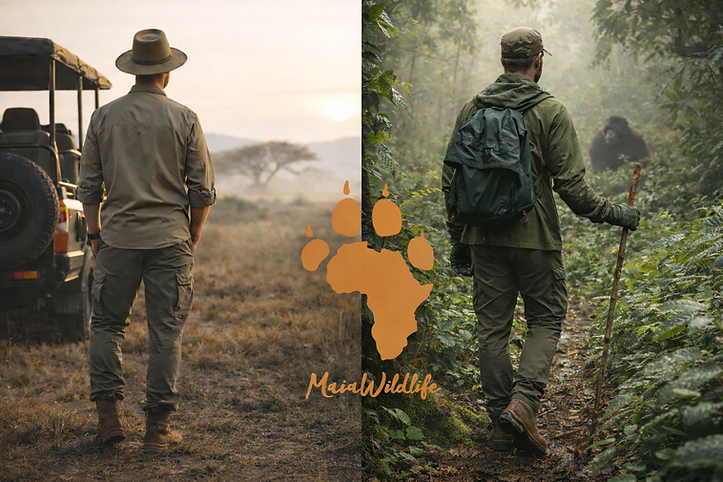
Uganda asks more of your packing than most safari destinations, because you’re doing two very different things: classic game drives, and trekking through wet tropical forest after gorillas. The conditions vary widely, so pack for both.
For safari (game drives):
The classic safari approach works best — neutral colours (khaki, olive, beige, brown, light grey) that blend in and don’t attract insects; avoid bright colours and white, which show the dust. Bring lightweight long and short-sleeve shirts, safari trousers and shorts, a fleece or light jacket for cool early mornings (open vehicles get chilly), and a wide-brimmed hat. Layering is the answer.
For gorilla and chimpanzee trekking:
This takes place in dense, often muddy mountain forest, so the gear is sturdier:
• Long-sleeve shirt and long trekking trousers (protection from vegetation, nettles and insects)
• Waterproof hiking boots with good grip — the ground is steep and slippery
• Thick socks, worn pulled up with your trousers tucked in (this keeps biting ants out — a real consideration in Bwindi)
• Gaiters, if you have them, for mud and ants
• A lightweight rain jacket — the forest can soak you at any time
• Gardening or trekking gloves for gripping wet vegetation
• A small daypack, with a dry bag or cover to keep your camera safe from rain and humidity
Sun and insects:
For both: insect repellent, high-SPF sunscreen, sunglasses, and a light buff for sun and dust.
Evenings:
Relaxed and informal — casual clothing is fine. It cools after sunset, especially in the forested highlands, so have a fleece, long trousers and a long-sleeve shirt to hand.
Pack breathable, neutral clothing, dress in layers, and you’ll be ready for both worlds — the open plains and the moment you come face to face with a gorilla in the forest.
Itinerary
Day 1 — Kibale Forest
After breakfast, transfer to Kibale Forest National Park, one of Uganda’s great tropical rainforests and the primate capital of the world — home to 13 primate species. Among them is our closest relative, the chimpanzee, often seen moving through the canopy as you walk the forest trails, alongside red colobus, L’Hoest’s monkey, and the Uganda mangabey, found nowhere else on earth.
Day 2 — Chimpanzee tracking → Queen Elizabeth
After breakfast, head to the park offices for your briefing, then set out to track chimpanzees with an experienced ranger — morning or afternoon, your choice — spotting other monkey species along the way. The trek through the jungle builds to its reward: an hour, eye to eye, with the chimpanzees. After lunch, drive on to Queen Elizabeth National Park, arriving in the evening for check-in, dinner and overnight.
Day 3 — Queen Elizabeth: game drive & Kazinga Channel
Up early with a coffee for a morning game drive along the Kasenyi track — elephant, antelope, buffalo, lion, warthog and plenty of birds among the early risers. Back to the lodge for breakfast, then later a boat cruise on the Kazinga Channel, one of the park’s highlights: elephant and buffalo along the banks, crocodiles, hippos, waterbuck and birdlife. Dinner and overnight at the lodge.
Day 4 — To Bwindi, via Ishasha
After breakfast, journey to Bwindi through the Ishasha sector, known for its tree-climbing lions, with good wildlife and fine landscapes along the way. Lunch en route, arriving at the lodge in the evening.
Day 5 — Gorilla tracking in Bwindi
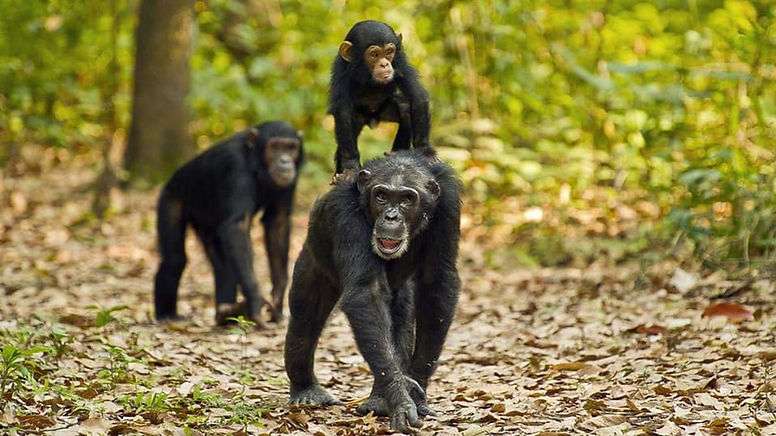
The day you came for. After breakfast, with packed lunches, you set out into the forest to track the mountain gorillas. Be ready for it: expect to walk a long way, on steep and muddy ground, sometimes in rain, before you find them — it can take four to five hours. But it is worth every step. Once with the gorillas, you’ll watch them up close as they feed, play and rest. For their protection, time with them is limited to one hour, and your ranger will brief you beforehand on how to behave around these gentle giants. Return to the lodge for dinner and a well-earned night’s rest.
Day 6 — Lake Mburo
Drive east to Mbarara — a major western town, and capital of the Ankole kingdom for 400 years until 1962 — then on to Lake Mburo National Park, known for its antelope, its Burchell’s zebra, and a rich variety of birds.
Day 7 — Walking safari → departure
An early walking safari brings you close, on foot, to zebra, antelope, buffalo, eland, giraffe and birdlife. Then a relaxed drive back towards Kampala, with lunch along the way and a stop at the Equator — one foot in each hemisphere, and a photo to prove it. Arriving in the evening, we’ll transfer you to the airport for your flight home, leaving the Pearl of Africa behind.
Itineraries can be adjusted to your wishes, weather, and wildlife movements.

Pricing and Terms
The Uganda Expedition costs:
€3,600 per person
Based on shared accommodation.
Because gorilla and chimpanzee trekking involves close contact with great apes, Uganda’s wildlife authority sets a minimum age of 15 for the treks — so this expedition isn’t suitable for younger children.
Included
• Gorilla and chimpanzee trekking permits — the single largest cost of a Uganda trip, included in your fee
• Transport in a customised 4×4 vehicle
• Airport transfers
• Local driver-guide and a MaiaWildlife tour leader [clarificar “(four groups)”]
• All park entrance fees and activities
• Accommodation, full board
• Bottled water
Not included
• International flights
• Visa fees
• Travel insurance (required — see our insurance section)
• Gratuities
• Personal expenses and anything not specified in the itinerary
• Extra days beyond the itinerary (extensions available on request, at a reduced rate)
Booking & payment
A 30% non-refundable deposit confirms your booking. The balance is due no later than 60 days before departure. For bookings within 60 days, full payment is required at the time of booking.
MaiaWildlife reserves the right to cancel any booking that doesn’t meet these terms.
Group size
Places are limited to 6 guests.
Early booking is strongly recommended.
Your Packing Checklist
A practical list to run through before you go. The sections above explain the why; this is simply what to tick off.
Travel documents:
• Passport (valid 6+ months)
• Uganda e-Visa approval
• Yellow fever certificate (mandatory for entry)
• Travel insurance documents
• Flight tickets and itinerary
• Copies of key documents (digital and printed)
Safari clothing:
• Safari shirts, long and short sleeve (neutral colours — khaki, olive, beige, brown)
• Safari trousers and shorts
• Light jacket or fleece for early mornings
• Wide-brimmed hat
• Walking shoes or light hiking boots
• Sandals / casual shoes for the lodge
• Socks and underwear
• Swimwear
Gorilla & chimp trekking gear:
• Waterproof hiking boots with good grip
• Long trekking trousers and long-sleeve shirt
• Lightweight rain jacket
• Thick socks (worn pulled up, trousers tucked in — keeps the ants out)
• Gaiters, if you have them
• Gardening or trekking gloves
• Daypack with a dry bag or cover for your camera (the forest is wet)
Health & personal care:
• Insect repellent
• High-SPF sunscreen
• Personal medications
• Basic first-aid kit
• Lip balm with SPF
• Hand sanitiser, wet wipes / tissues
Photography & equipment:
• Camera body and telephoto lens
• Spare batteries and chargers
• Memory cards
• Cleaning cloth
• Binoculars
Electronics:
• Universal travel adapter (Type G)
• Charging cables and power bank
• Phone or tablet
Small but useful:
• Daypack
• Reusable water bottle
• Sunglasses
• Light scarf or buff
• Notebook
• Torch or headlamp
Luggage:
• A soft duffel bag rather than a hard suitcase — easier to stow in vehicles, and required on the small aircraft used for internal flights